ー 科学と心を繋ぐ「一般人称理論」という挑戦 ──『生活』三部作の軌跡 ー
1. 初期のアプローチ:対立と調停
私のこれまでの研究、特に初期の段階では、人生の危機としての「心の病」と、科学の危機としての「脳と意識の問題」が、実は共通して「一人称と三人称の対立」という構造を持っていることを指摘してきました。
心の病は、生きられる「私(一人称)」と、客観的に観察される「私(三人称)」の間の齟齬から生じます。同様に、意識と脳の問題においても、一人称としての「意識(体験)」を、三人称的な物質である「脳」から説明することは極めて困難です。
この深い対立を調停するには、一方の立場に加担しない「第三の項」、すなわち媒介者としての「二人称」が必要であると私は主張してきました。
これは宗教的経験においても同様です。人は根源的虚無を経て、二人称としての「存在」に出会うことで救済されます。そこでは自己救済は原理的に不可能であり、自己を断念し他者へと開かれることを通じて、媒介者としての「先駆的二人称」へと変貌していくのです。
かつて私は、意識の発生においても、このような先駆的二人称的な母胎が必要であると結論づけました。
2. なぜ「一般人称理論」が必要だったのか
しかし、ここで一つの壁に当たります。
初期の議論では、社会的な実存の葛藤(心の病など)から出発して二人称の必要性を説き、それをそのまま「脳と意識」の問題にも当てはめようとしていました。しかし、「なぜ脳科学の分野でもその枠組みが有効なのか」という点については、必ずしも十分に論証できていなかったのです。
そこで私は、研究のスタンスを根本から見直すことにしました。
- 意識の研究: 一人称性を損なわない「現象学」のアプローチ。
- 脳の研究: 心理学や医学、あるいはAI研究のような「三人称の科学」のアプローチ。
この二つは、基礎となる人称が全く異なるため、どちらか一方の立場に立つ限り、もう一方を十分に説明できません。
この行き詰まりを科学や学問として乗り越えるには、それぞれがこだわっている「特殊な立場」を、より一般的な土俵の上で吟味し直す必要があります。
つまり、現象学(一人称)も科学(三人称)も、一度その特殊な立場から自由になり、すべての人称を検討の俎上に載せて、「人称そのものを一般的に研究する(一般人称理論)」のです。
そうすることで、一人称も三人称も、より高次の「メタ人称的」な視点から公平に再編成することが可能になります。この手続きを経て初めて、「二人称が媒介になる」という理論も、単なる感想ではなく、科学的な対話に耐えうる意味のある理論として展開可能になるのです。
3. 新たな困難と、解決への道
こうして「一般人称理論」という枠組みを構築することで、意識と脳の問題解決に向けた理論的な道筋は見えました。
しかし、そこから先に進むことが、実は非常に困難であることが次第に判明してきました。
枠組みとして「二人称の必要性」は導き出せました。しかし、「では、具体的に脳内のどこで、どのように二人称が機能しているのか?」と問われると、答えに詰まってしまうのです。
物理的な神経回路の中で、意識と脳の媒介としての二人称がどう働いているのか。そのメカニズムの解明は困難を極め、人称理論の採用は、かえってさらなる難問を私に突きつけることになりました。
この問題の解決の兆しが見え始めるまで、私はかなりの歳月を費やすことになりました。
その具体的な解決策、すなわち「神経回路と言語」をめぐる新たな展開については、次回のブログで書くことにします。
一言だけ付け加えるなら、これら私の思索の変遷と格闘の軌跡は、以下の三部作にすべて記述してあります。
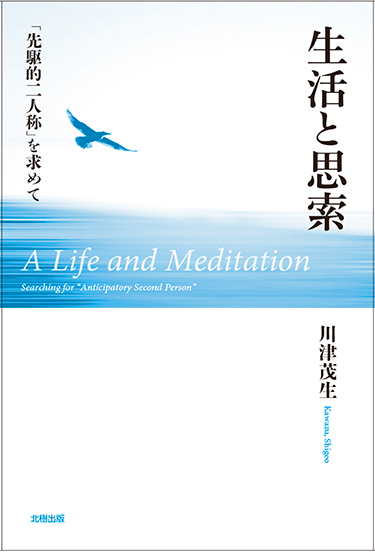
- 第1巻『生活と思索:「先駆的二人称」を求めて』
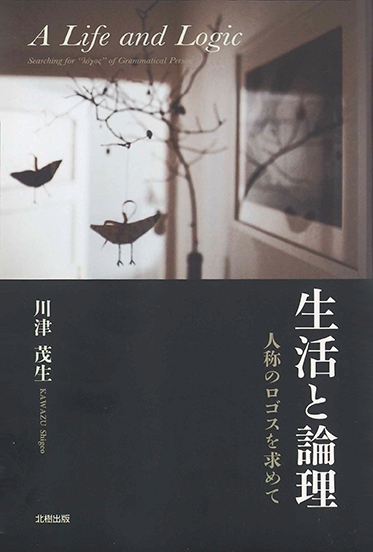
- 第2巻『生活と論理:人称のロゴスを求めて』
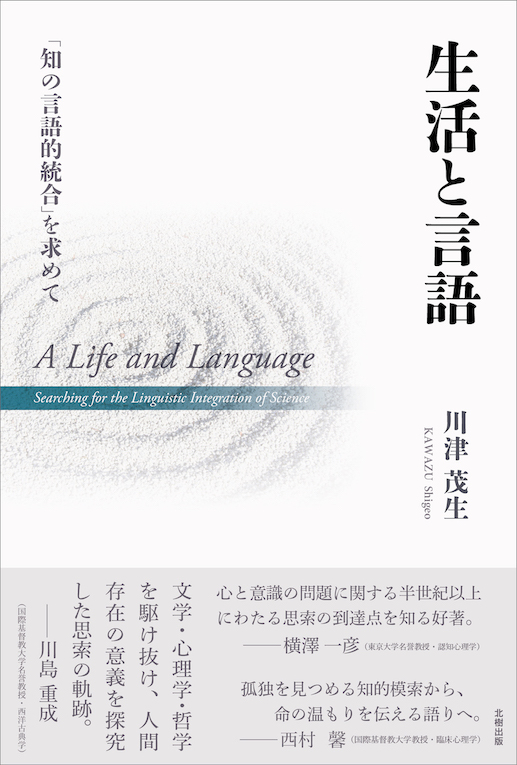
- 第3巻『生活と言語:「知の言語的統合」を求めて』(2025年12月刊行予定)
この第3巻が、長きにわたるわたしの問いの「完結編」であり、そこにおいて一応の解決に到達しています。
English Summary
Toward a General Theory of Grammatical Person: Bridging the Gap between Mind and Brain
This article outlines the trajectory of my philosophical inquiry, which culminates in my upcoming book, A Life and Language: Searching for the Linguistic Integration of Science (Vol. 3).
Initially, I identified a common structure underlying both the existential crisis of mental illness and the scientific crisis of the mind-body problem: the deep conflict between the First-Person perspective (lived experience/phenomenology) and the Third-Person perspective (objective observation/science). To resolve this dichotomy, I proposed the necessity of the “Second Person” as a mediator. In existential terms, this manifests as the “Anticipatory Second Person,” which emerges when one transcends the desire for self-salvation to focus on the salvation of others.
However, applying this concept to the scientific problem of consciousness and the brain required a more rigorous framework. Simply asserting the importance of the “Second Person” is insufficient to explain how subjective consciousness arises from the material brain.
To address this, I developed the “General Person Theory” (General Theory of Grammatical Person). This approach requires us to step back from the specific, entrenched stances of phenomenology (purely first-person) and science (purely third-person). By examining “personhood” from a meta-level, general perspective, we can place all grammatical persons on a fair and equal theoretical footing.
While this General Theory successfully validated the structural necessity of the Second Person as a mediator, a difficult question remained: How exactly does the Second Person function within the neural circuits of the brain?
The theoretical framework was complete, but the concrete mechanism of how neural activities (third-person) are mediated to generate consciousness (first-person) remained elusive for many years. The solution to this final puzzle—involving the linguistic interpretation of neural network dynamics—is fully detailed in the concluding volume of my trilogy, 『生活と言語:「知の言語的統合」を求めて』(“A Life and Language: Searching for the Linguistic Integration of Science”), to be published in December 2025.
【著書のご案内 / Books】
1. 『生活と思索:「先駆的二人称」を求めて』 (A Life and Meditation: Searching for “Anticipatory Second Person”) [Amazon] [楽天]
2. 『生活と論理:人称のロゴスを求めて』 (A Life and Logic: Searching for “logos” of Grammatical Person) [Amazon] [楽天]
3. 『生活と言語:「知の言語的統合」を求めて』 (A Life and Language: Searching for the Linguistic Integration of Science) ※予約受付中 [Amazon] [楽天]