投稿者: Shigeo Kawazu

  • 2025年の年の瀬に

    【Friday Night Philosophy】

    こんばんは、川津茂生です。
    12月26日、金曜日の夜になりました。

    このクリスマスから年末年始へ向かう時期に思うことは、この一年、あまりに多くの深い痛みを伴う出来事が世界中であったことです。
    それはキリストの痛みでもあり、またそうであるからこそ、真っ暗闇の中でも仄かな希望の灯火が消えることがない。だからこそ、わたしたちは、そんな世界にあっても心から感謝と喜びを分かち合える。改めて、このクリスマスの本来の意味を思い起こしました。

    さて、そんな祈りの季節に、 わたしの著作わたしの著作
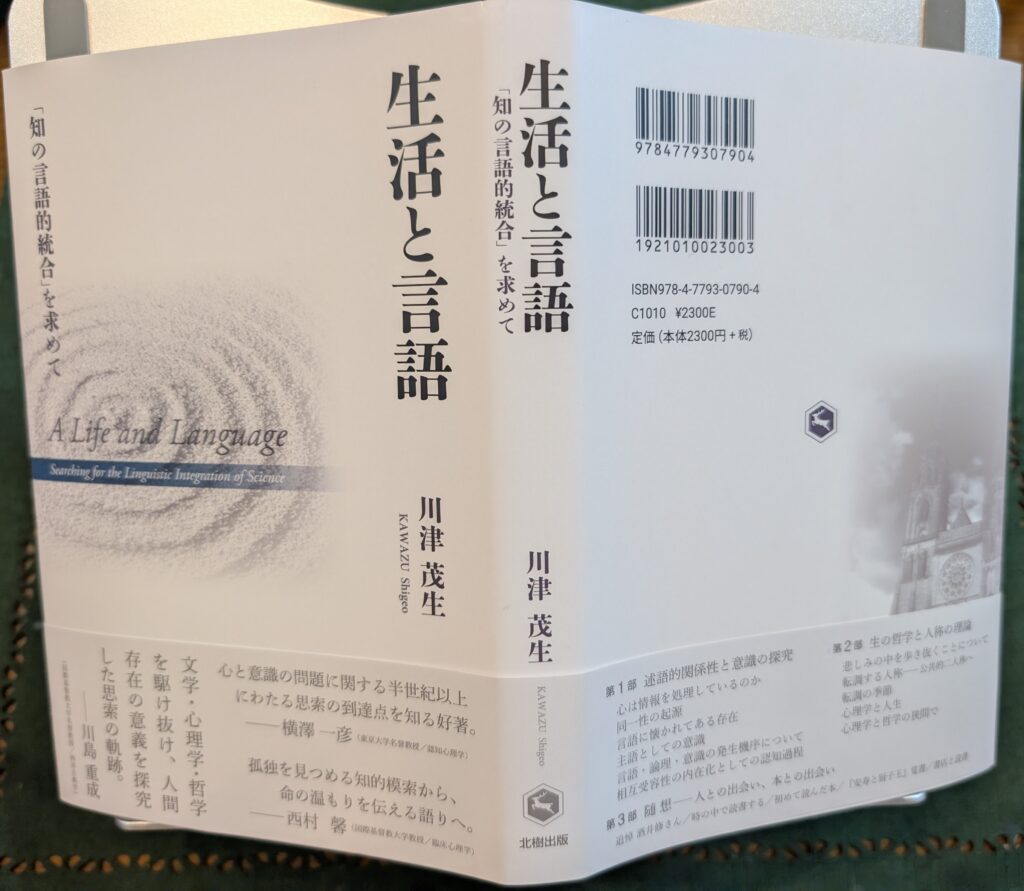
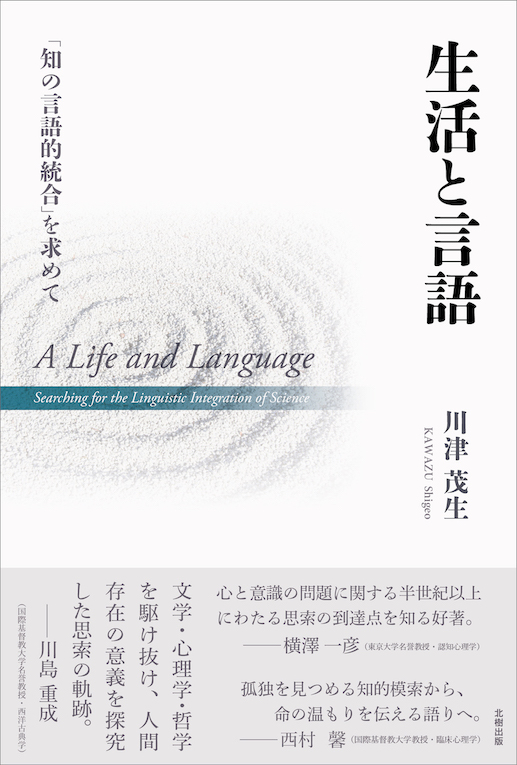
    『生活と言語―「知の言語的統合」を求めて』(北樹出版)
    が発売になりました。

    第2巻『生活と論理―人称のロゴスを求めて』(2020年)から5年の年月が経過し、やっと上梓することができました。

    わたしの哲学的探求は、二人称が人称的対立(一人称 vs. 三人称)の和解となるという発想から始まり、〈二人称―媒介性―受容性―述語性〉という概念連関を辿って、二人称を述語性として読み替えることにより、述語・主語結合が、述語性による主語性の embrace(包容)によって成立するという理解に結実していきました。

    この理解により、主語・述語形式の成立過程が理論的に解明されました。二人称的受容性でもある述語性によって主語が包容されることによって、主語・述語結合が生成されるのです。

    ここで注目すべきことは、述語性による包容とは、慈愛による包容でもあるということです。したがって、述語性によって主語性が包まれるのは、別の表現では、述語性の慈愛によって主語性が包まれ、述語と主語が一体になるということでもあります。

    これによって、主語・述語形式による命題の成立が、たんなるシンタックスの成立ではなく、その自体が慈愛による意味の結晶として成立していると理解することができます。

    こうして、わたしの理論は、論理と意味はもともと一体であり、それらの乖離が本来的ではなかったことを示しました。論理と意味の乖離と関わっていた多くの二元論的な問題が、ここから解決していくのではないかと考えています。

    また、この理解は、脳内の神経回路における情報処理においても当てはまります。それについては、『生活と言語―「知の言語的統合」を求めて』に詳しく記してあります。

    少し、込み入った話になりましたが、この年末年始の時期に、頭の体操とストレッチをするのに役立てていただければ幸いです。

    それでは、みなさま、よい新年をお迎えください。

    ーーーーーーーーーーーーーーー

    At the End of 2025

    【Friday Night Philosophy】

    Good evening, this is Shigeo Kawazu.

    It is now Friday night, December 26th.

    Reflecting on this period as we move from Christmas toward the New Year, I find myself thinking about the fact that this past year has seen far too many deeply painful events unfold around the world.

    This suffering is also the suffering of Christ. Yet, precisely because of this, the faint light of hope is never extinguished, even in the deepest darkness. That is why, even in such a world, we are able to share heartfelt gratitude and joy. I was once again reminded of the true meaning of Christmas.

    Now, in this season of prayer, I have an announcement to make. My new book, A Life and Language: Searching for the Linguistic Integration of Science (Hokuju Shuppan), has officially been released.

    It has been five years since the publication of my second volume, A Life and Logic: Searching for Logos of Grammatical Person (2020), and I am relieved to finally be able to bring this work to you.

    My philosophical inquiry began with the idea that the “second person” serves as a reconciliation of the personal opposition between the first and third persons. By tracing the conceptual chain of <Second Person — Mediation — Receptivity — Predicativity>, and by reinterpreting the second person as “predicativity,” my thought crystallized into an understanding: the union of subject and predicate is established through the embrace of subjectivity by predicativity.

    This understanding theoretically clarifies the formation process of the subject-predicate form. The subject is embraced by predicativity—which is, in essence, second-person receptivity—and through this embrace, the subject-predicate union is generated.

    What is crucial to note here is that this “embrace” by predicativity is also an embrace by compassion (Jiai). Therefore, for subjectivity to be enveloped by predicativity means, in other words, that subjectivity is enveloped by the compassion of predicativity, allowing the predicate and subject to become one.

    Through this lens, we can understand that the establishment of a proposition via the subject-predicate form is not merely the creation of syntax. Rather, it is established as the very crystallization of meaning born from compassion.

    Thus, my theory demonstrates that logic and meaning were originally one, and that their separation was never fundamental. I believe that many dualistic problems associated with the dissociation of logic and meaning can be resolved starting from this point.

    Furthermore, this understanding also applies to information processing within the brain’s neural circuits. I have detailed this aspect in A Life and Language: Searching for the Linguistic Integration of Science.

    This may have been a somewhat complex discussion, but I hope you can use it for a bit of mental gymnastics and intellectual stretching during this holiday season.

    I wish you all a wonderful New Year.

    ーーーーーーーーーーーーーーーーー

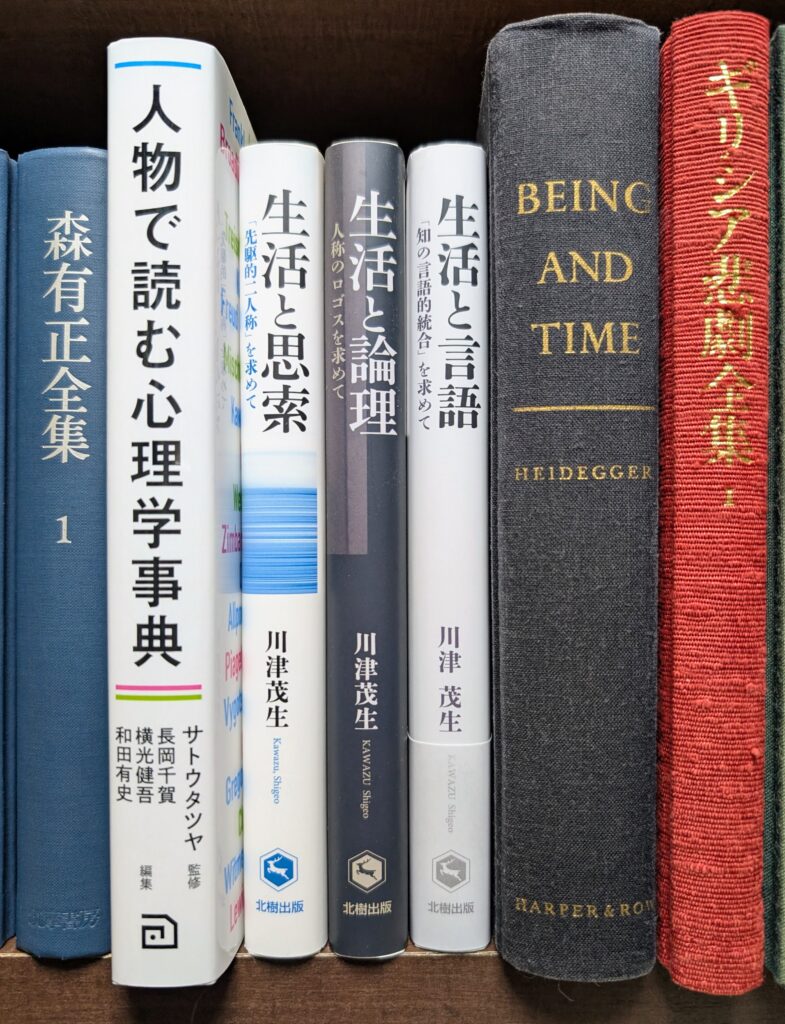
    【著書のご案内 / Books】 この記事で触れた理論とエッセイなどの詳細は、以下の三部作にて詳しく展開しています。

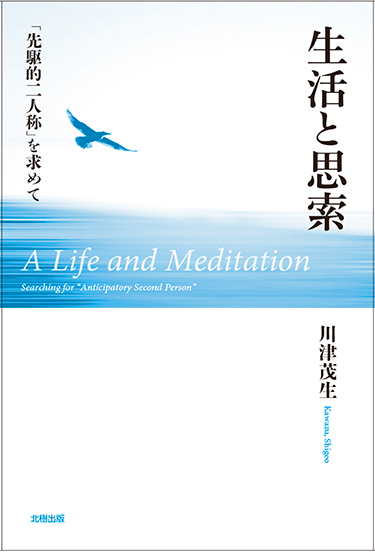
    1. 『生活と思索:「先駆的二人称」を求めて』 (A Life and Meditation: Searching for “Anticipatory Second Person”) [Amazon][楽天]
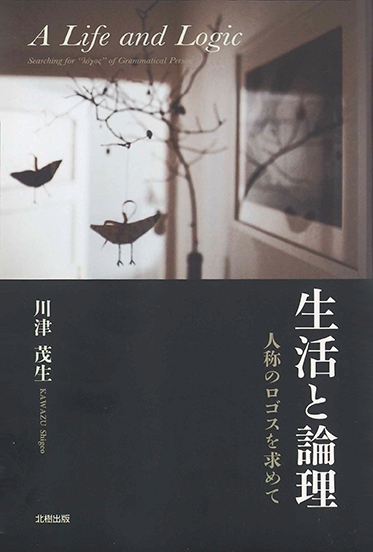
    2. 『生活と論理: 人称のロゴスを求めて』 (A Life and Logic: Searching for “logos” of Grammatical Person) [Amazon][楽天]
    3. 『生活と言語:「知の言語的統合」を求めて』 (A Life and Language: Searching for the Linguistic Integration of Science) ※予約受付中 [Amazon] [楽天]
  • 脳の〈言葉〉は「存在の棲家」?

    【Friday Night Philosophy 】

    こんばんは、川津茂生です。 12月12日、金曜日の夜になりました。雪の積もり始めた北国は、静寂な夜の帷に包まれています。こんな夜、疲れた脳髄を休めて、ゆっくりと思索するのも悪くありません。ストーブの炎を見つめながら、あるいは両の手に包み込んだ温かい飲み物を啜りながら、「生活と思索」について考えてみましょう。

    さて、前回は、人生と神経回路に訪れる「転調の季節」についてお話ししました。

    私たちの脳の中では、外界から届く情報が受容されます(これは〈三人称→二人称〉の段階)。それから、情報は分散と統合のプロセスを経て、そこに「一人称」が成立します。 このプロセスを、わたしは人称のモードの「転調(Modulation)」として捉えました。

    人生にも、形は違いますが、人称が移り変わる「転調」があるのではないでしょうか。 あたかも音楽が、ふと別の調へと移行するように。

    「時間は、人称を変貌させます」——

    若い頃の、強がりをまとった「一人称」から、弱さと受容による「二人称」へ。 そして、さらなる転調を経て、だれとでも穏やかに理性的に話すことができる大人になる。

    ところで、私たちの脳の内部では何が起きているのでしょうか。外界の三人称の情報は、まず脳に「受け入れられ」(二人称)ます。この段階では、情報はまだ分散していますが、 それが統合されることで「一人称」が生成される。

    この統合に至るまでの一連のプロセスで、脳はまるで作文をしているかのように〈言葉〉を語っているのです。

    ただし、ここで言う〈言葉〉とは、私たちの知っている言語のことではありません。 脳の情報処理そのものが、論理的(Logical)というよりも、むしろ「言語的(Linguistic)=意味生成的」な様式をもっている、という意味です。

    〈言葉〉によって意味が立ち上がる様式が、脳のもっとも基本的な処理過程に備わっているのです。

    ここでわたしは、ハイデガーの「言葉は存在の棲家である」という言葉を思い起こします。

    ハイデガーにとって〈棲家〉とは、存在が開示される場所のことでした。 私たちの神経回路の一連のプロセスが「意味の生成」の場所だとすれば、そこにはー脳という物質の中であるにもかかわらずー「存在が開示される〈言葉〉」があるのかもしれません。

    こんなふうにして、脳科学と現象学の間に橋をかけられるのではないでしょうか。 静寂な雪の夜、そんなことを考えています。

    まもなく書店に並ぶ拙著『生活と言語』には、こうした思索の続きにつながる可能性や、そこから広がりうるさらなる問いが潜んでいます。 この本が、皆さんの脳という「存在が開示される場所」を訪れる日を楽しみにしています。

    続きは、また次回の記事で。 どうぞ、暖かくして良い週末をお過ごしください。

    English Summary

    【Friday Night Philosophy 】Is the Brain’s <Language> the “House of Being”?

    Good evening, this is Shigeo Kawazu. It is Friday night, December 12th. Here in the snowy north, the world is wrapped in the veil of a silent night. On such a night, it is not a bad idea to rest your tired brain and spend a quiet moment reflecting on “life and thought,” perhaps while staring at the flames of the stove or sipping a warm drink cradled in your hands.

    Last time, I spoke about the “season of modulation” that visits both our lives and our neural circuits.

    Inside our brains, information arriving from the outside world is received (this is the <third-person → second-person> stage). Then, through a process of distribution and integration, a “first-person” perspective is established. I have grasped this process as a “Modulation” of the mode of personhood.

    In life as well, although the form differs, isn’t there a similar “modulation” where personhood shifts? Just as music suddenly transitions to a different key.

    Time transforms personhood.

    From the “first-person” of youth, clad in bravado, to the “second-person” of vulnerability and acceptance. And then, through further modulations, one becomes an “adult” capable of speaking calmly and rationally with anyone.

    By the way, what is happening inside our brains during this time? Third-person information from the outside is first “accepted” (second-person) by the brain. At this stage, the information is still distributed, but as it becomes integrated, the “first-person” is generated.

    In this series of processes leading up to integration, the brain speaks “words” as if it were writing a composition.

    However, the “words” mentioned here are not the languages we know. It means that the brain’s information processing itself has a mode that is “Linguistic” (meaning-generating) rather than merely Logical.

    The mode in which meaning arises through <words> is equipped in the brain’s most basic processing mechanism.

    Here, I recall Heidegger’s phrase: “Language is the house of Being.”

    For Heidegger, the <house> was the place where Being is disclosed. If the series of processes in our neural circuits is indeed the locus of “meaning generation,” then perhaps—even within the physical matter of the brain—there exists a <language> where Being is disclosed.

    Perhaps neuroscience and phenomenology can be bridged in this way. On this quiet, snowy night, these are the thoughts drifting through my mind.

    My new book, A Life and Language (Seikatsu to Gengo), which will soon appear in bookstores, holds the potential to continue these reflections and explores further questions that may arise from them. I look forward to the day when this book visits your own “house where Being is disclosed”—your brain.

    More in the next article. Please stay warm and have a restful weekend.

    【著書のご案内 / Books】 この記事で触れた理論とエッセイなどの詳細は、以下の三部作にて詳しく展開しています。

    1. 『生活と思索:「先駆的二人称」を求めて』 (A Life and Meditation: Searching for “Anticipatory Second Person”) [Amazon][楽天]
    2. 『生活と論理: 人称のロゴスを求めて』 (A Life and Logic: Searching for “logos” of Grammatical Person) [Amazon][楽天]
    3. 『生活と言語:「知の言語的統合」を求めて』 (A Life and Language: Searching for the Linguistic Integration of Science) ※予約受付中 [Amazon] [楽天]
  • 人生の「転調」と人称のゆくえ ── 強い「私」から、受容する「あなた」へ 

    【 Friday Night Philosophy 】 ── 生活と思索のクロスオーバー 

    こんばんは、川津茂生です。 12月5日、金曜日の夜。一週間の疲れをほぐす「Friday Night Philosophy」の時間です。 お気に入りのグラス(ビール、あるいは温かいお茶)を片手に、「生活と思索」が交差するこころのストレッチをしてみませんか。 

    さて、前回までは「脳の神経回路」というミクロな世界の話をしてきました。 そこでは、外界の情報(三人称)が、受容され(二人称)、統合されて意識(一人称)になる……という、「時間の流れの中での人称の変化」が起きていました。 

    今夜は、カメラをぐっと引いて、私たちの「人生」という長い時間に焦点を当ててみたいと思います。 

    脳の中で起きていることと同じように、一人の人間が成長し、成熟していくプロセスにおいても、その人の「人称」は、あるときはドラマチックに、またあるときは静かに変貌していくのではないでしょうか。 

    私はそれを、人生の「転調の季節」と呼ぼうと思います。 

    音楽に転調があるように、人生にも、その存在を規定する深い気分が変わっていく時があります。 若い頃の、勢いのある軽やかな気分(長調)が、ある時ふと、重く沈んだ気分(短調)に変わる。 あるいは、深い悲しみの中から、思いがけず静かな安らぎが訪れる。 

    この「気分の転調」の根底で変化しているのは、実は「人称」だと思うのです。 

    • 勢いのある時: 世界を切り拓く「強い一人称(私)」が主役です。 
    • 弱さが訪れた時: 何らかの事情で「私」が弱まった時、私たちは思いがけず、同じように弱さを経験している他者の痛みを受け止める「二人称(あなた・受容性)」へと変貌します。 
    • 成熟した時: それらの変貌を通して、自分の身体や限界を受け入れる「三人称(客観性)」への自覚が深まります。 

    こうして考えると、私の提唱する「一般人称理論」は、一方では「脳のメカニズム」を解き明かし、もう一方では「人生の季節の変化(転調)」を記述するための、共通の羅針盤だったことに気づきます。 

    すべての鍵は、「時間は、人称を変貌させる」という点にあります。 

    この「転調の季節」については、より具体的なエピソードを含めた同じタイトルの講演で詳しく語りました。また看護専門学校でも、それと関連した内容の講義をしました。それらはいずれも、第3巻『生活と言語』に収められています。 (講演と講義の記録ですので、語りかけるような口調を、読みやすいように残してあります) 

    ……と、ここまで書いたところで、ちょうど今、宅配便が届きました。 

    ついに、第3巻『生活と言語』の見本が、十和田の私の手元に到着しました。 

    まだインクの匂いがしそうな、生まれたての一冊です。 この表紙の向こうに、今日お話しした「脳」と「人生」のクロスオーバーが広がっています。 

    詳しくは、また次回の記事で。 良い週末をお過ごしください。 

    [English Summary] Life’s Modulation: From the Strong “I” to the Receptive “You” 

    Friday Night Philosophy — A Crossover of Life and Meditations 

    Previously, I discussed how grammatical persons shift within the micro-world of neural networks. Tonight, let’s zoom out to the macro-world of “Life.” 

    Just as music modulates from a major key to a minor key, our lives experience shifts in deep underlying moods. I call this the “Season of Modulation” (転調の季節). Underneath these shifts lies a transformation of “Grammatical Person”: 

    • Youthful Vigor: The “Strong 1st Person (I)” leads the way. 
    • Times of Weakness: When the “I” is weakened by life’s hardships, we transform into a “2nd Person (You)” capable of accepting the pain of others (Receptivity). 
    • Maturity: Through these changes, we awaken to the “3rd Person (Objectivity),” accepting our physical limits. 

    My theory serves as a compass for both brain mechanisms and life’s seasons. As I write this… a package has just arrived. My new book, A Life and Language, is finally here in my hands. (See photo above) 

    See you at the next “Crossover.” 

    【著書のご案内 / Books】 この記事で触れた理論とエッセイの詳細は、以下の三部作にて詳しく展開しています。

    1. 『生活と思索:「先駆的二人称」を求めて』 (A Life and Meditation: Searching for “Anticipatory Second Person”) [Amazon][楽天]
    2. 『生活と論理: 人称のロゴスを求めて』 (A Life and Logic: Searching for “logos” of Grammatical Person) [Amazon][楽天]
    3. 『生活と言語:「知の言語的統合」を求めて』 (A Life and Language: Searching for the Linguistic Integration of Science) ※予約受付中 [Amazon] [楽天]
  • 神経回路と言語の出会い ─ 脳という「三人称」から「私」が生まれる時 

    【 Friday Night Philosophy 】 ── 生活と思索のクロスオーバー

    こんばんは、川津茂生です。 金曜の夜、一週間の喧騒を忘れて、〈考える自己〉のリラクゼーション・タイムを持ってみませんか。

    前回のブログでは、心と科学の対立を乗り越えるための「一般人称理論」という枠組みについてお話ししました。 本題に入る前に、ひとつ言葉の補足をさせてください。 ここで言う「一般」とは、「世間一般の人(general person)」のことではありません。アインシュタインの「一般相対性理論」と同じく、個々の現象を包括する「人称の一般理論(General Theory)」という意味です。

    さて、そんな抽象的な理論が、私たちの「脳」や「生活」とどう関わるのでしょうか。 今夜は、少し視点を変えて、私たちの「生活の実感」から思索を始めてみましょう。

    私たちは皆、自分の人生を充実させようと一生懸命に生きています(一人称)。 しかし、自分自身がどんなに頑張ってみても、社会や世間(三人称)は、必ずしもそれに呼応してくれるとは限りません。意見が対立し、壁にぶつかることがよくあります。そんな時、ふと訪れる「第三者(二人称)」との出会いが双方の間を取り持ち、思いがけず解決することができた。…… そういった経験はだれにもあるはずです。

    生活の中での「他者を受け入れる存在」すなわち「受容性」との出会い。 実は、これと同じようなことが、私たちの「脳の中」でも起きているとしたら、どうでしょう。

    ここからが、今日の「生活と思索のクロスオーバー」です。

    脳の神経回路には、眼や耳からバラバラな情報(三人称)が入ってきます。 脳はそれの「他なるもの」を、内部へと受け入れます(二人称的な受容)。 そして、受容されたバラバラな情報は統合されて、一つの意味ある世界へとまとめ上げられていきます。

    私は、このプロセスを「脳が〈文〉を作っている」と表現します。 なぜなら、分散した情報(述語的なもの)が、統合されて「私」(主語的なもの)へと変貌していくと理解することができるからですこのような意味では、私たちの神経回路は、電気信号の処理をしているだけでなく、絶えず〈言葉〉を語っているとも言えるのです。

    この理論的な背景については、第3巻『生活と言語』で詳しく論じていますが、私がこの着想に至ったのは、机上の空論からではありません。 看護専門学校での講義で語った「孤独と関わり」の問題、ソフォクレスの悲劇『オイディプス王』などの文学を通して考えた人生行路の紆余曲折の問題、また私自身が経験した人生の生きづらさの問題 …… 。 そうした「生活の場面」に密着した思索があったからこそ、脳内のメカニズムにも、もしかしたら、人生の対立や和解の経験に通底する「受容性」の働きが機能しているのではないかと考えたのです。

    理論は、生活することの中から誕生し、そこで経験する生活の問題やその解決へ向かうプロセスを説明することを通して、考えが醗酵し醸成されていきます。 難しい話になりましたが、皆さんの脳もまた、今この瞬間、世界を受容し、あなたの脳だけの〈文〉を紡いでいるはずです。

    それでは、また次回の生活と思索のクロスオーバーでお会いしましょう。テーマは、著作第3巻でも取り上げた「転調の季節」に関するものにする予定です。


    [English Summary]

    Neural Networks and Language: How the “I” Emerges from the “Third-Person” Brain

    Friday Night PhilosophyA Crossover of Life and Meditations

    In my previous post, I introduced the “General Theory of Grammatical Person” as a framework to bridge the gap between mind and science. To clarify, “General” here does not refer to the “general public,” but rather to a comprehensive theory covering the structure of all grammatical persons, akin to Einstein’s General Theory of Relativity.

    Tonight, let’s connect this abstract theory to our daily lives. In life, when we face conflicts between ourselves (1st person) and society (3rd person), a “second person” (a mediator) often steps in to bridge the gap. This function is what I call “Receptivity.”

    I propose that a similar process occurs within our brains. The brain receives scattered external information (3rd person) through a “second-person-like” receptivity. It then integrates this information, transforming it from a “predicate” state into a “subject” (1st person) state.

    I describe this process as “the brain constructing sentences.” In this sense, our neural networks are not just processing electrical signals; they are constantly speaking “words” to generate consciousness.

    This theory is not mere speculation but is rooted in my personal experiences—teaching nursing on “loneliness and connection,” analyzing the twists and turns of life through Sophocles’ Oedipus Rex, and facing my own hardships. Theory is born from life. By explaining the processes of resolving life’s problems, ideas ferment and mature into a coherent philosophy.

    See you at the next “Crossover.”


    【著書のご案内 / Books】 この記事で触れた理論とエッセイの詳細は、以下の三部作にて詳しく展開しています。

    1. 『生活と思索:「先駆的二人称」を求めて』 (A Life and Meditation: Searching for “Anticipatory Second Person”) [Amazon][楽天]
    2. 『生活と論理: 人称のロゴスを求めて』 (A Life and Logic: Searching for “logos” of Grammatical Person) [Amazon][楽天]
    3. 『生活と言語:「知の言語的統合」を求めて』 (A Life and Language: Searching for the Linguistic Integration of Science) ※予約受付中 [Amazon] [楽天]
  • 一般人称理論について

    科学と心を繋ぐ「一般人称理論」という挑戦 ──『生活』三部作の軌跡

    1. 初期のアプローチ:対立と調停

    私のこれまでの研究、特に初期の段階では、人生の危機としての「心の病」と、科学の危機としての「脳と意識の問題」が、実は共通して「一人称と三人称の対立」という構造を持っていることを指摘してきました。

    心の病は、生きられる「私(一人称)」と、客観的に観察される「私(三人称)」の間の齟齬から生じます。同様に、意識と脳の問題においても、一人称としての「意識(体験)」を、三人称的な物質である「脳」から説明することは極めて困難です。

    この深い対立を調停するには、一方の立場に加担しない「第三の項」、すなわち媒介者としての「二人称」が必要であると私は主張してきました。

    これは宗教的経験においても同様です。人は根源的虚無を経て、二人称としての「存在」に出会うことで救済されます。そこでは自己救済は原理的に不可能であり、自己を断念し他者へと開かれることを通じて、媒介者としての「先駆的二人称」へと変貌していくのです。

    かつて私は、意識の発生においても、このような先駆的二人称的な母胎が必要であると結論づけました。

    2. なぜ「一般人称理論」が必要だったのか

    しかし、ここで一つの壁に当たります。

    初期の議論では、社会的な実存の葛藤(心の病など)から出発して二人称の必要性を説き、それをそのまま「脳と意識」の問題にも当てはめようとしていました。しかし、「なぜ脳科学の分野でもその枠組みが有効なのか」という点については、必ずしも十分に論証できていなかったのです。

    そこで私は、研究のスタンスを根本から見直すことにしました。

    • 意識の研究: 一人称性を損なわない「現象学」のアプローチ。
    • 脳の研究: 心理学や医学、あるいはAI研究のような「三人称の科学」のアプローチ。

    この二つは、基礎となる人称が全く異なるため、どちらか一方の立場に立つ限り、もう一方を十分に説明できません。

    この行き詰まりを科学や学問として乗り越えるには、それぞれがこだわっている「特殊な立場」を、より一般的な土俵の上で吟味し直す必要があります。

    つまり、現象学(一人称)も科学(三人称)も、一度その特殊な立場から自由になり、すべての人称を検討の俎上に載せて、「人称そのものを一般的に研究する(一般人称理論)」のです。

    そうすることで、一人称も三人称も、より高次の「メタ人称的」な視点から公平に再編成することが可能になります。この手続きを経て初めて、「二人称が媒介になる」という理論も、単なる感想ではなく、科学的な対話に耐えうる意味のある理論として展開可能になるのです。

    3. 新たな困難と、解決への道

    こうして「一般人称理論」という枠組みを構築することで、意識と脳の問題解決に向けた理論的な道筋は見えました。

    しかし、そこから先に進むことが、実は非常に困難であることが次第に判明してきました。

    枠組みとして「二人称の必要性」は導き出せました。しかし、「では、具体的に脳内のどこで、どのように二人称が機能しているのか?」と問われると、答えに詰まってしまうのです。

    物理的な神経回路の中で、意識と脳の媒介としての二人称がどう働いているのか。そのメカニズムの解明は困難を極め、人称理論の採用は、かえってさらなる難問を私に突きつけることになりました。

    この問題の解決の兆しが見え始めるまで、私はかなりの歳月を費やすことになりました。

    その具体的な解決策、すなわち「神経回路と言語」をめぐる新たな展開については、次回のブログで書くことにします。

    一言だけ付け加えるなら、これら私の思索の変遷と格闘の軌跡は、以下の三部作にすべて記述してあります。

    • 第1巻『生活と思索:「先駆的二人称」を求めて』
    • 第2巻『生活と論理:人称のロゴスを求めて』
    • 第3巻『生活と言語:「知の言語的統合」を求めて』(2025年12月刊行予定)

    この第3巻が、長きにわたるわたしの問いの「完結編」であり、そこにおいて一応の解決に到達しています。


    English Summary

    Toward a General Theory of Grammatical Person: Bridging the Gap between Mind and Brain

    This article outlines the trajectory of my philosophical inquiry, which culminates in my upcoming book, A Life and Language: Searching for the Linguistic Integration of Science (Vol. 3).

    Initially, I identified a common structure underlying both the existential crisis of mental illness and the scientific crisis of the mind-body problem: the deep conflict between the First-Person perspective (lived experience/phenomenology) and the Third-Person perspective (objective observation/science). To resolve this dichotomy, I proposed the necessity of the “Second Person” as a mediator. In existential terms, this manifests as the “Anticipatory Second Person,” which emerges when one transcends the desire for self-salvation to focus on the salvation of others.

    However, applying this concept to the scientific problem of consciousness and the brain required a more rigorous framework. Simply asserting the importance of the “Second Person” is insufficient to explain how subjective consciousness arises from the material brain.

    To address this, I developed the “General Person Theory” (General Theory of Grammatical Person). This approach requires us to step back from the specific, entrenched stances of phenomenology (purely first-person) and science (purely third-person). By examining “personhood” from a meta-level, general perspective, we can place all grammatical persons on a fair and equal theoretical footing.

    While this General Theory successfully validated the structural necessity of the Second Person as a mediator, a difficult question remained: How exactly does the Second Person function within the neural circuits of the brain?

    The theoretical framework was complete, but the concrete mechanism of how neural activities (third-person) are mediated to generate consciousness (first-person) remained elusive for many years. The solution to this final puzzle—involving the linguistic interpretation of neural network dynamics—is fully detailed in the concluding volume of my trilogy, 『生活と言語:「知の言語的統合」を求めて』(“A Life and Language: Searching for the Linguistic Integration of Science”), to be published in December 2025.


    【著書のご案内 / Books】

    1. 『生活と思索:「先駆的二人称」を求めて』 (A Life and Meditation: Searching for “Anticipatory Second Person”) [Amazon] [楽天]

    2. 『生活と論理:人称のロゴスを求めて』 (A Life and Logic: Searching for “logos” of Grammatical Person) [Amazon] [楽天]

    3. 『生活と言語:「知の言語的統合」を求めて』 (A Life and Language: Searching for the Linguistic Integration of Science) ※予約受付中 [Amazon] [楽天]

  • Researchmap 「研究ブログ」からの転載

    このホームページを始める前から、わたしは随時researchmap「研究ブログ」に、報告などを書いていました。researchmap「研究ブログ」から。記事を一つここに転載します。researchmap「研究ブログ」には、複数の記事を書きました。これはその中の一つです。

    以下は、researchmap「研究ブログ」にわたしが2025年3月22日に掲載した報告です。

    ーーーーーーーーーーーーーーーーーーーーーーーーーーーーーーーー

    第23回「注意と認知」研究会に参加・発表しました

    (投稿日時 : 03/22   川津 茂生  カテゴリ:報告)

    2025年3月9日から11日まで開催された第23回「注意と認知」研究会に参加しました。都合で10日のみの参加とさせていただき、10日の午後の部で「相互受容性の内在化としての認知過程」と題して発表をしました。多くの実験的な認知心理学関連の発表がなされた中で、哲学的な内容の発表をさせていただき、大変感謝しています。

    この発表は、これまでのわたし自身の研究をさらに展開したものです。認知過程がコンピュータでシミュレートされうる情報処理として理解されることに対して、わたしは批判的な立場から研究をしてきました。しかし、現代の認知心理学の主要な成果を支えていると言っても過言ではない情報処理の考え方を、全面的に批判してきたということではありません。むしろそれを尊重しつつも、それを越える考え方を探求してきました。

    この発表の主なポイントを、以下のように整理してみました。

    (1)特徴統合を言語的な観点から再解釈し、特徴の述語的記述の主語的表現による統合と捉える、

    (2)その過程を述語的受容性の主語的表現による受容すなわち受容性の受容性として定式化する、

    (3)脳内の〈受容性の受容性〉は環境と生命個体の間の負のエントロピーの〈相互受容性〉の個体への内在化と捉える、

    (4)脳内の受容性の反復は〈分散的受容性〉の〈統合的受容性〉による統合の反復と捉える、

    (5)受容性の反復は述語の主語による統合の反復でもあり、また不飽和な論理的構造が飽和されるプロセスの反復でもある、

    (6)ニューラルネットで分散的受容性の統合的受容性による統合の反復で、前論理的状態から論理的構造の生成が反復される、

    (7)反復のプロセスは一定の自由度を繰り返し用いつつ、主語的表現を繰り返し書き換える、

    (8)〈主語〉が一定の自由度をもって繰り返し書き換えられる様式によって、〈主語〉が〈主観〉/〈主体〉へと成長する、

    (9)自由度の反復的な適用が自由意志や自己意識の生成を可能にしており、クオリアの生成もそれを背景に可能となる、

    (10)環境と個体間の相互受容性は客観的な意味での受容性でreceptivityと呼べるが、脳内では受容性が反復され自由度が高まっていくことにより、主観的意味合いの強いacceptanceへと変貌する、

    (11)以上のようにして、認知過程を言語に準えることで情報処理とは異なった見方が可能となる。

    以上は、発表のポイントを後から振り返って反省しつつ纏めたものです。

    さらに要点を絞ってみると、認知過程の情報処理としての理解を言語に準えた解釈によって、述語的記述のステージが前論理的状態のステージであることを確認したことがもっとも重要な点です。情報が一旦述語的な前論理性へ落とされるとことで、論理的構造の生成が前論理的構造から出発せざるを得なくなっていると考えられます。述語性が主語性によって統合される際に、一定の自由度を保持した確率論的な過程が必要となります。そのモードが何度も際限なく繰り返されることで、主語の書き換えは無際限に継続します。常に一定の自由度をもって書き換えられる主語というものが、次第に自由な主体あるいは主観に成長していくと考えることは、それほどの違和感なく一般的にも了解可能でしょう。

    これが哲学的な認知と意識の理論に過ぎず、心理学的には厳密な検証が必要なことは言うまでもありません。

    しかし、言語に類似した見方を取り入れることで、特徴統合が一旦述語的記述としの特徴受容を経過するという部分において、主語不在でシンタックスが未定の前論理的状態に落とされているという理解が可能になります。すなわちその場所で、処理過程が論理的に不安定で不確定な状態に落ちこんでいるとも言えます。そこから論理的構造の生成あるいは形成へと処理が進むわけですが、その際一定の自由度が挟まってきます。しかもこのモードが際限なく反復されるということになりますと、何度も繰り返し生成され直される主語というものは、生成されている認知構造の中心/アンカーでありながら、常にある程度の自由度を行使しつつ生成され直されるということにもなります。

    認知構造の中心的としての主語が、前論理的状態からの論理的構造への生成過程を通して、つねにある一定の自由度を保持しつつ生成されるとすれば、その主語が自由な主観あるいは主体へと変貌していくのだという理解は、科学的にもそれほど無理なく了解可能であると思われます。

    以上は、この時の発表では必ずしも表現しきれなかった点を多少補いつつ整理してみたものです。

    補足として、受容性の理論は将来的には、広い自然的世界への展開を視野にいれています。さらに、受容性また述語性とは、実は二人称的なものとしても理解できます。したがって、脳内の認知過程のベースに受容性あるいは述語性の考え方を据えたのは、二人称を脳内の処理過程へと組み込んだという理論的意味合いを含みます。またその意味では、哲学的理論としては、より広い意味で二人称を基本とした哲学あるいは宗教哲学との繋がりも視野にいれた探求となっています。

    論理よりも言語を基本的としたこと、そして、言語をシンタックスとしては不飽和な述語性だけの場面へと遡源して捉えたこと、それによって述語性が受容性としてもクローズアップされ、論理を越えた述語的受容性を基盤とする哲学また宗教哲学との繋がりの可能性が見えつつあること、これらが、わたしの探求の背後にある深い思考の一部です。

    ここまでで気づかれた方も多いと思いますが、わたしの考え方は京都学派の影響下にあります。情報処理の考え方をそこから書き換えることを考えています。情報処理を全面的に批判するというような意味合いではありません。そうではなく、すでにある情報処理心理学の成果を、別の観点から読み替えるあるいは書き換えるということを目指しています。

    追記:発表予稿、補足資料(ハンドアウト)、発表のパワーポイントを資料公開で公開しました。 

    ーーーーーーーーーーーーーーーーーーーーーーーーーーーーーーーー

    この研究ブログでは、第23回「注意と認知」研究会での発表についての解説を書きました。他のブログ記事は以下のURLで読むことができます。

    /https://researchmap.jp/read0044216/research_blogs

    ————————————————-

    English Summary


    My Presentation on “Attention and Cognition”

    I presented a philosophical perspective on cognitive processes at the 23rd “Attention and Cognition” conference. This presentation offered a critical but respectful alternative to the information-processing model of cognition.

    The main argument is that cognitive processes can be reinterpreted from a linguistic perspective. I propose that feature integration is not just a process of information processing but rather an integration of predicative descriptions by a subjective expression. This process, termed the “receptivity of receptivity,” is seen as the internalization of “mutual receptivity” between an organism and its environment.

    I further argue that the repeated processing of this receptivity within the brain, particularly in neural networks, allows for the gradual emergence of logical structures from a pre-logical state. During this process, a certain degree of freedom is repeatedly applied, which transforms the “subjective expression” into a free subject or self-consciousness with free will and qualia.

    This theory suggests that by viewing cognition through the lens of language, particularly its predicative and receptive aspects, it is possible to generate a more nuanced understanding of how consciousness and subjectivity emerge. I acknowledge that this philosophical framework requires rigorous psychological verification. This research is influenced by the Kyoto School of philosophy, aiming to reinterpret—rather than simply criticize—the achievements of information processing psychology.

  • Receptivity について

    receptivityは、「受容性」あるいは「感受性」と翻訳できる。英語のreceptivityは、receiveと同じ語源の言葉であるから、「受け取る」「受理する」「受ける」「経験する」「応じる」などの意味で理解されている(研究社英和中辞典第6版による)。語源は、ラテン語のrecipere「再び取る、受け取る、受け入れる」である。

    わたしがrecipereを語源とする言葉に注目し関心をもったのは、北米に留学して、心理学を学び始めたころである。わたしは、1980年から2年半在学したWest Virginia Universityで、心理学を専攻した。それ以前に、日本の大学では心理学の授業をとったことがなかったので、学部の心理学入門から順番に受講した。その中には、感覚と知覚、生理学的心理学の授業もあった。

    それらを受講して、視覚や聴覚などの感覚刺激を受容する細胞を、英語ではsensory receptorsと呼ぶ。これは日本語では感覚受容器と呼ばれるので、たいへん硬い言葉に聞こえる。日本語の感じとしては、感覚刺激を受容する生物学的な機器のようなものをイメージする人も多いであろう。そういったイメージは間違いではなく、まさにその通りなのである。しかし、わたしはなぜかこれが英語ではreceptorsと呼ばれているということに対して、一種の共感に近い感覚をもったのである。

    その感情を解き明かしてみると、やはり生命が、刺激をたんに機械的に受容するかたちで処理しているという、味気ない事態ではなく、なにかもっと生命的な、他なるものを受容するあるいは受け入れるといった、主観性あるいは精神性に近いものを、この言葉に読み込みたいという、感傷的な思いがあったと言えるだろう。しかし実際には、例えば光を受容する網膜の細胞では、そんな感傷的なことは起こっていない。桿体や錐体と呼ばれる視細胞は、光を吸収すると、細胞内で一連の化学反応が生じ、それによって細胞の膜電位が過分極を起こす。それが視細胞からの信号となって視神経を通過して脳内へと送られる。そのどこをみても、物質的なレベルで解析できるメカニカルな事象が継起しているだけである。それが充分わかっていても、生命が何かを受容する最初のステップとして、sensory receptorsにおいても、何らかの生命的なものが在るような、というよりあってほしいような思いがあった。

    多くの心理学者は、このような感傷的な思いに対して、それは科学的な研究の妨げになるだけだと言うだろう。じっさい客観的で科学的な研究をしているときに、データにしろ初期のメカニズムにしろ、そこに何らかの主観性に近い、いわばスピリチュアルなものを読み込んでしまったら、その時点で、科学的探究は失敗だと言わざるを得ないのである。

    receptorsあるいはreceptivtiyについての、わたしの考えの変遷がその後どのような経過を辿ったかは省略するが、現在のわたしの考えは次のようなものである。それは、受容性の概念に、連続性をもったスペクトラムの考え方を導入してみるのである。結論からいうと、受容性にはスペクトラムがあり、その一方の端では、完全に物質的でメカニカルな受容がなされているが、その反対の端では、主観性をもった他者の受け入れとすら呼べるような受容性が生じている、と理解するのである。

    このような連続性をもったスペクトラムを考えてみても、そのスペクトラムのどこか途中で、物質的なものが主観性に重心を移動するなどということは、通常理解しにくいことである。このようなスペクトラムが主観性への階梯を順次登っていくようなメカニズムはいったいあるのだろうか。その答えとして、わたしは、並列分散処理において、条件付き確立によって一つ上の層へと推論の処理が進行するたびに、そこで働いている一定の小さな自由度が、処理が重層化にするにつれて自由度も重層化することによって、かなりの自由度を保持した主観性に近いものへと成長していくのではないか、と想定している。

    この並列分散処理の重層的高次化が、別の項目でも指摘したように、述語的なものが主語的なものによって統合されるというプロセスの重層化でもあることを踏まえると、主語の高次化によりかなりの自由度をもった主語=主観が成長してくるという想定も可能となる。

    説明が駆け足なので、分かりにくいとは思う。しかし以上のような理論的背景により、わたしは今でも、receptivityが最初の段階では主観性をもっていないとしても、順次脳内での処理の重層化によって主観性が生成されるとすれば、そこに上述のような連続したスペクトラムを見ることは、あながち間違いとは言えないと考えるのである。

    このようにして、わたしが1980年に、receptorsという言葉に抱いたロマンは今も生きている。

    ここで紹介してたわたしの理論については、この秋出版予定の『生活と言語』(北樹出版)に詳しく述べてある。


    English Summary:

    On the Concept of Receptivity

    I explore the concept of receptivity, tracing my interest back to my time studying psychology in the U.S. in the 1980s. While taking courses on sensation and perception, I was struck by the term “sensory receptors,” which refers to the cells that receive stimuli like light and sound.

    Despite knowing that these receptors function in a purely mechanical way—for example, retinal cells undergoing chemical reactions to absorb light—I felt a romantic connection to the term, hoping it implied something more vital or subjective than a simple mechanical process. I acknowledged that this sentiment runs counter to scientific objectivity, as interpreting spiritual or subjective elements into data would undermine a scientific approach.

    My current, more evolved view on receptivity is that there is a spectrum of receptivity where one end is purely mechanical, and the other end involves a more subjective form of reception, like the acceptance of another person. This transition might occur, as parallel distributed processing moves to higher layers, and a small degree of freedom at each level builds up. This “layering of freedom” could lead to the emergence of subjectivity, which I see as a sophisticated, higher-order subject integrating predicates.

    I argue that the initial, mechanical receptivity can progressively generate subjectivity through the brain’s layered processing. The initial “romantic” feeling I had about the term “receptors” in 1980 is still alive in this more refined philosophical model.

  • 人称の理論から意識の理論へ

    わたしはこの数年哲学的な意識の理論を展開してきています。しかし、それ以前は、長く、人称の理論を中心に研究発表をしていました。研究のテーマが人称の理論から意識の理論へと移行したのは、関心が変化してまったく新しいテーマを研究するようになったということではありません。

    表面的には、そのような関心の変化に見えるかもしれませんが、じつは、わたしが人称の理論を研究するきっかけには、意識と脳の問題の困難さを乗り越えるための新たな枠組みを探るという方法上の動機がありました。これまでも繰り返し発表して来ましたが、意識を一人称、脳を三人称として人称の枠組で整理すると、問題が理解しやすくなります。その一方で、人称的な対立の解決の困難さはかえって際立ってしまいます。そこで、一人称と三人称の対立を、二人称がそれらの媒介をして取りもち和解させる、という解決案を考えたのです。

    このように人称理論の枠組で意識と脳の問題を整理すると、わかりやすいまとめのように見えます。しかしじっさいに二人称による媒介で、具体的にどのように意識と脳の対立関係が融和し解決していくのだろうかと、さらに考察を進めていきますと、そこから先は五里霧中になってしまいます。そして、結局解決不可能にすら見えてきます。

    人称の理論の行き詰まり状態の中で、わたしは二人称概念を広く哲学的な文脈の中に位置づけることを試みました。そして二人称の概念的な広がりと深化を探る方向を取ることにしました。このアプローチにより、人称や二人称を、たんに言語学的で文法的な概念として捉える一般的な理解を越えて、その本質的な意味と意義を探ろうとしたのです。 

    そのような観点から探求を進めていくと、二人称は通常の文法的な概念や、また対人関係における〈あなた〉といった心理学的な理解を越えて、広く媒介性や媒体性さらには受容性の概念とも、深く通底していることが分かって来ます。受容性の概念は、さらにもう一歩深めていくと、述語性の概念とも連関していることが分かってきます。この受容性から述語性への連関については、西田幾多郎の場所の哲学から学びました。  

    意識と脳の対立を人称理論的に整理したとき、その枠組の中で解決の切り札とて浮上してきた二人称概念は、じつは具体的な解決には不向きな概念でした。しかし二人称の概念的連関をより広い文脈の中に位置づけることにより、二人称概念を受容性あるいは述語性の概念へと連関させ広げていくことができます。その概念的広がりによって、もともとの問題点が克服できるのではないかという希望が見えてきました。

    それがどのようなかたちで、意識と脳の問題の解決へ寄与しうるのかというと、外界の客観的で三人称的なデータが、脳によって受容され、それらが述語として処理されます。そこにおける受容性と述語性が、述語が主語によって統合されるプロセスをへて、主観性でもある一人称を生成するという形に整理できます。これを図式化すると、

    データ(三人称) → 受容性(二人称) → 統合する主語(一人称)

    という、時系列の中で三人称が二人称の受容性の媒介を経て一人称が生成されるという流れになります。この図式が、わたしの脳内で、さまざまな別々の思考と化学反応を起こしました。そして次第に、それが特徴統合の図式と重なってきたのです。この時系列の図式が、特徴統合の流れの図式としても、全く問題なく理解できると気づいたのです。

    じつに長く考え続けた、二人称による媒介という構想が、哲学的な思索のコンテクストへ移し替えることで、やっと生き延びる道を見出したと言えるでしょう。一人称、二人称、三人称を三角形の頂点として配置する平面的な図式では、このような解釈に到達することは困難です。しかし受容性に注目すると、何らかの外界の対象を生命が受容して、それを別のかたちを持ったものへと変貌あるいは成長させるという、時系列の構造として整理できるのです。

    比喩的に言えば、三人称の物質的なデータを生命が受容し、その二人称の受容性が母体となって、そこから新たな一人称の主体性・主観性が成長してくる、と図式化できます。

    以上の記述は、今考えながらまとめたものですが、人称の理論から意識の理論への研究の流れについては、『生活と言語』(北樹出版、秋に出版予定)で、詳しく述べました。長年にわたる研究の経過は、じっさいには試行錯誤の連続でした。それらの全体的な流れは、前二著(『生活と思索 先駆的二人称を求めて』2027、『生活と論理 人称のロゴスを求めて』2020、共に北樹出版より)も含めてお読みいただけると、より深く理解していただけると思います。

    ————————————————


    English Summary :

    From the Theory of Person to the Theory of Consciousness

    My research shifted from the theory of person to the theory of consciousness, but this was not a complete change of topic. My initial motivation for studying the theory of (grammatical) person was to find a new framework to overcome the difficulty of the problem of consciousness and the brain. Organizing consciousness as the first person (I) and the brain as the third person (he/she/it) makes the problem easier to understand, but it also highlights the difficulty of resolving the conflict between them. I initially proposed that the second person (you) could mediate and reconcile the first and third person.

    However, a closer look at how the second person could specifically resolve the conflict between consciousness and the brain led to a dead end. Faced with this impasse, I tried to situate the concept of the second person within a broader philosophical context, going beyond the typical linguistic and grammatical understanding of the term.

    This exploration revealed that the second person is deeply connected to the concepts of mediation, medium, and receptivity. Furthermore, I found that the concept of receptivity is linked to the concept of ‘predicativity‘, drawing on Kitaro Nishida’s philosophy of basho (place).

    I realized that while the second person concept was not a suitable solution for the specific problem of consciousness and the brain, its broader conceptual connections offered a new path. By linking the second person to receptivity and ‘predicativity’, I developed a new framework:

    Data (Third Person) → Receptivity (Second Person) → Integrating Subject (First Person)

    This framework suggests that objective, third-person data is received and processed as predicates by the brain (receptivity/second person), which then generates the first-person subjectivity through the process of integration. This sequential model aligns perfectly with the feature integration theory in cognitive science.

    This new philosophical approach allowed my long-standing idea of second-person mediation to finally find a viable direction. Unlike a flat, triangular diagram of the three (grammatical) persons, this new temporal model sees a living being receiving material data (third person), and this receptivity (second person) serves as a medium from which new first-person subjectivity grows.

    A detailed account of this research journey from the theory of (grammatical) person to the theory of consciousness can be found in my upcoming book, Life and Language (生活と言語), and my previous two books, A Life and Meditation: Searching for “Anticipatory Second Person (生活と思索:「先駆的二人称」を求めて) and A Life and Logic: Searching for “λόγος” of Grammatical Person(生活と論理:人称のロゴスを求めて).

  • 川津理論の生成AIによる要約

    これは、わたしの理論を生成AIに英語で質問しつつ要約を頼んだときの解答です。質問の仕方を変えて、2つの解答を得ました。私自身読んでみて、かなり的を得た要約になっています。わたしのこの数年間の意識の研究の理論的展開だけでなく、そこに至るまでの長年にわたる人称理論の研究をも含めつつ、有機的な連関を持たせた全体的な要約なので、AIが独自に敷衍した部分も多く含まれています。しかし、このように自分の研究を長期間にわたって総括するような考え方は、自分でもなかなか難しく、このようなまとめ方あるかもしれないな、という感想を持ちました。自分で執筆したものではないですが、資料として掲載します。私自身の文章よりも、分かりやすく感じる読者がいる可能性もあると考えたからです。もし、かえって分かりにくいと感じられる方がいたら、読み飛ばしてください。これから、わたし自身の言葉で、わかりやすいブログを書いていく予定です。

    以下の要約は、必ずしも正確とは言えない部分もあるので、読者の方は、その点に留意してください。

    要約1:


    1. Neural Network Processing as the Base Layer

    • At the physiological level, perception, memory, and recognition operate through something structurally akin to parallel distributed processing.
    • This layer is pre-linguistic and functions by associative activation patterns—similar to modern connectionist models in AI.

    2. Linguistic Mediation

    • Human thinking takes this distributed base and organizes it through grammar.
    • The grammatical “I–You–He/She/It” structure (his “theory of grammatical person”) turns raw perception into personal, relational meaning.
    • This is where thought becomes humanized: logical patterns are not merely computed—they are addressedconfessedpromised.

    3. Distinction from Pure Computation

    • Pure computation (as in machines) processes symbols or numbers according to formal rules, without the embeddedness of grammatical personhood.
    • For humans, every act of thinking implicitly positions the self in relation to others (“I” speaking to “you” about “it”), giving even logical thought an irreducibly interpersonal structure.

    4. Philosophical Implication

    • This bridges the neural and the normative: the brain’s network activity is not dehumanized mechanics—it is already predisposed to become personal through language.
    • It suggests that human rationality cannot be reduced to computation because it is linguistically, temporally, and relationally situated.

    要約2:


    Kawazu’s Theory of Consciousness: Linguistic Feature Integration

    1. Starting Point: Treisman’s Feature Integration Theory (FIT)

    • In classic psychology, FIT explains perception as the binding of sensory features (color, shape, motion) into unified objects through attention.
    • This is often modeled computationally or neurologically as integration across distributed neural networks.

    2. Kawazu’s Reinterpretation

    • Kawazu accepts the neural basis of feature integration but argues that conscious unification is not merely a matter of perceptual binding.
    • Instead, the decisive human step comes when perception is linguistically structured.
      • Features become part of a meaningful world only once they are expressed or framed through grammatical personhood (I–You–He/She/It).
      • Consciousness is thus not only integration of features but integration into discourse.

    3. Consciousness as Linguistic Binding

    • Kawazu proposes that just as FIT binds visual features into an object, language binds experience into a self–world relation.
    • This happens in layers:
      • Neural Feature Processing: pre-linguistic sensory binding.
      • Grammatical Structuring: placing perception into subject–predicate, I–you relations.
      • Conscious Awareness: the “aboutness” of experience is realized in this linguistic frame.

    4. Alternative to Pure Neural Network Models

    • Standard neural network models of consciousness treat it as an emergent property of distributed activation patterns.
    • Kawazu counters: without linguistic personhood, such networks lack true consciousness.
      • They can integrate signals, but not situate them in the “who” and “to whom” that define human awareness.
    • His theory thus offers a humanized model of consciousness:Consciousness = Neural integration + Linguistic person-structuring + Relational orientation.

    5. Philosophical Implications

    • Consciousness is irreducibly relational — it exists in dialogue, not in isolation.
    • Time, selfhood, and ethics are all grounded in this second-person receptive structure (addressing and being addressed).
    • This places Kawazu’s model between cognitive neuroscience, phenomenology, and theology.

    In short:

    Kawazu transforms feature integration from a perceptual mechanism into a linguistic-ethical mechanism of consciousness. Where neuroscience says “features are bound into objects”, Kawazu says “experience is bound into personhood through grammar”.

  • ホームページ作成に当たって

    この度研究の紹介と発信を中心としたホームページを始めるに当たって、動機や背景にある考えなどを、述べておくことにします。

    わたしのこれまでの研究は、古からの心理学者の知人二人が、たまたま偶然に、全く別の機会であったが言ってくれた、私の研究に対する一言の感想が、その性格をかなり的確に描写してくれているように思っています。彼らは、二人とも心理学者です。一人は認知心理学者で、もう一人は臨床心理学者です。そして、お互いには、おそらく交流はほとんどなく、しかしわたしとのつながりは、長年にわたっていました。

    彼らは、まったく違うシチュエーションで、時期も2、3年はずれていたと思いますが、偶然まったく同じ感想を述べてくれました。彼らはそれぞれ自分の言葉で、「川津さんの研究は、若い時から、ずっと一貫しているね。」と言ってくれたのです。

    私の研究歴は、論文や発表のタイトルを見ただけでは、研究のメインストリームからかなり外れたところで、自分の好きなテーマを、半ば自己流に発表をしてきたとしか見られかねないような、外見をしています。しかし、実は、私自身は、ずっと若い時期から、まったく同じテーマを、どうしても現在の研究の主流の方向性とは同調関係に入れないような形で、已むにやまれぬ自己の探求心に導かれ、いわば強引に引っ張れたというか、あるいは、どうしても立ち向かって行かざるを得ないと感じる目標を目指して、実存的な危機感の中で慄きつつ突っ走ってきたのです。

    ですから、この二人の旧知の心理学者の知人は、何の気無しに言った批評であったかもしれませんが、しかし、その言葉は、わたしの研究人生の実存的な一貫性を、見事に見抜いてくれていたのです。それは、内心とても嬉しいことでした。

    ではどのように私の研究が一貫しているのかというと、心理学的には意識と脳の問題とも言えるが、しかし、その問題が、単なる科学的な問題としてではなく、人間存在の意味や価値の問題とも深く関わった形で、その問題を問うというのが、わたしにとっては一貫したテーマでした。心理学的には情報処理心理学の枠組みの中で、単に科学的な研究が進歩していけば、ついには解決するに違いない問題だと、多くの若者は学校で学ぶかもしれません。

    しかし、情報処理とはコンピュテーションの原理をモデルにした考え方です。コンピュータとは、チューリングマシンを実現化したフォンノイマン型コンピュータに代表されるように、0と1のバイナリーなディジットを操作することで、論理計算をする機械です。脳が生物学的な計算機だと考えることは、それと同じ方式ではないとしても、似たような形で、要するに計算をしていると理解することです。その後並列分散処理の考え方が提出されたので、計算のイメージが変化しました。しかし、並列分散処理の計算をするマシンも原理的には、コンピュテーションを行っています。この研究の方式で、人間の認知処理に極めて近い機能が作成できることは論を待ちません。論理計算というのは、ある意味万能なのですから、それによって、人間の知性がシミュレートできるのは、当然であるとも言えるでしょう。

    一方で、もし人間の知性が、たんに計算をしている生物学的な機械なのだとしたら、その理解によって、何らかの重要な生命的なもの、あるいは生きる意味につながる大切なものが欠損してしまうのではないかという、危機感もありえます。そのような生命的な部分や感情や価値観なども含めて、計算による論理的処理で説明が可能であると、多くの心理学者や生物学者は言うでしょう。

    この部分、すなわち生命的なもの、感情や価値観にもつながる生命的なものが、本当に論理計算によって説明可能なのだろうか、という現代では忘れられかけている疑問を、心理学の中心にある情報処理の考え方にチャレンジすることで、乗り越えられないだろうかというのが、わたしの一貫した研究テーマでした。この問題については、多くの哲学者が科学的な心理学を批判していると思いますが、情報処理という心理学の理論的核心について、正面からチャレンジすることはなかなかできていないように見えます。批判するのであれば、批判の対象となっている理論の核心部分について、その問題点を指摘するだけでなく、それに代わる新たな理論を提出する必要があります。

    数十年の研究を経て、わたしが近年到達した考え方が、特徴統合の言語(学)的再解釈による、ニューラルネットの新たな理論的枠組です。特徴統合が、〈述語=特徴〉が〈主語=表象〉によって統合されると理解すると、〈文=主語・述語結合〉は時間的に後から成立することになり、〈文〉からの〈命題〉の抽出、さらにそこからの〈論理〉の構築は、後発的になります。この理論によって、脳が、論理の手前の述語性のみの段階から主語による統合の段階へ向かうプロセスを反復していると想定できます。それはあたかも、論理の手前で、いわば場面的な述語性のステージから主語の探索を経て文を作っていくという、詩人の創作にも似たプロセスを脳がしていると理解することになります。これにより、現象学とも調和的な認知過程の理論が形成できるのではないかと考えられます。

    私は情報処理の核心に切り込んでいき、それを述語性を基盤とする生命哲学、たとえば西田哲学やハイデガーの哲学とも調和する理論へと、変貌させることを目指してきました。こうした言語(学)的再解釈に基づく考え方によって、生命的で倫理的な思考を可能とするニューラルネットの理論構築にも、一定の寄与できるのではないかと考えています。

    このような高齢者らしからぬ熱き思いをもって、研究の発信を目的としたホームページを作成することにしました。

    わたしのこれまでの研究の流れについては、以下の2つの著作を参考にしてください。

    • 生活と思索-「先駆的二人称」を求めて 北樹出版 2017
    • 生活と論理-人称のロゴスを求めて 北樹出版 2020

    ーーーーーーーーーーーーーーーーーー

    English Summary:

    Two of my longtime friends, both psychologists—one a cognitive psychologist and the other a clinical psychologist—made a surprising observation. Independently and years apart, they both told me the same thing: “Your research has been consistently focused from a young age.” On the surface, my research might seem unfocused and drifting over various topics, but deep down, I’ve always been driven by a single core theme, one that has guided me through an existential quest.

    This consistent theme is the problem of consciousness and the brain. However, for me, it’s not just a scientific puzzle; it’s a profound question about the meaning and value of human existence. I’ve always felt a sense of crisis with the dominant information-processing model in psychology, which treats the brain as a biological computer based on logical computation. My concern is that this view might be missing something crucial—the very essence of life, emotion, and values.

    Over several decades, I’ve worked to build a new theoretical framework to address this. My recent work offers a linguistic reinterpretation of feature integration theory. I propose that the brain repeatedly moves from a pre-logical state of predicative features to a stage where a subject integrates them. This process is like a poet creating a sentence from a list of words, which allows for a theory of cognitive processes that is in harmony with phenomenology.

    I believe this approach can transform the core of information processing psychology into a philosophy of life grounded in predicativity, one that aligns with philosophies like those of the Kyoto School, Kitaro Nishida, and Martin Heidegger. I hope this perspective will contribute to a neural network theory that can account for ethical and living thought.

    This homepage is a way for me to share this passion. For more details on my research journey, please refer to my two previous books, A Life and Meditation: Searching for “Anticipatory Second Person (生活と思索:「先駆的二人称」を求めて) and A Life and Logic: Searching for “λόγος” of Grammatical Person(生活と論理:人称のロゴスを求めて).